
Review · KYOTO
Kyoto: Enjoy Sushi & Market Tour! Best for Family & Couple!
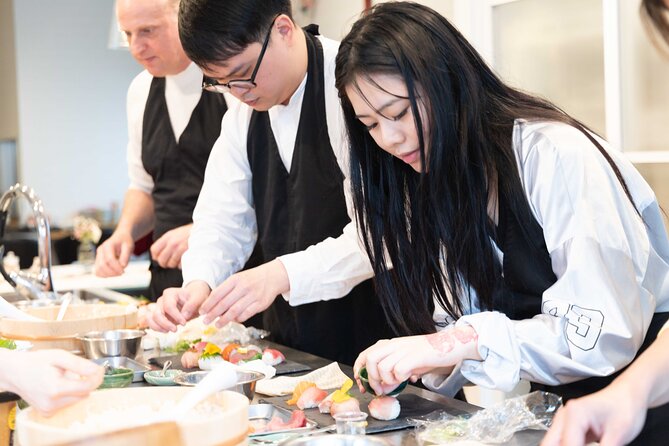
Sushi is better when you make it yourself. This 90-minute Kyoto class turns a meal into a practical lesson in Japanese food culture, with fresh fish bought that morning, hands-on sushi making, dashi tasting, miso soup, tamagoyaki, dessert, and coffee. I especially like the small group of up to 10 people and the way you leave with skills you can use at home.
I also like the range of dishes. You make nigiri, temari, and temaki sushi rather than repeating one simple roll, and the lesson includes traditional Kyoto seasonings such as soy sauce and miso. The main consideration is that the experience is short, so it is a focused cooking class rather than a long market visit or a full sightseeing tour.
Key points to know before booking
- Fresh fish bought the same morning: The ingredients are selected from reliable vendors for the day’s class.
- Three styles of sushi: You prepare nigiri, temari, and temaki, giving you different shaping and rolling skills.
- More than sushi: Dashi, miso soup, and Japanese rolled omelet are part of the meal.
- Small class size: A maximum of 10 people makes it easier to follow the instruction and ask questions.
- Vegetarian options available: You need to request a different menu or vegetarian ingredients in advance.
- Dessert and coffee included: Kyoto-style handmade sweets finish the meal, with local sake and beer available for an extra charge.
What this Kyoto cooking class is really like
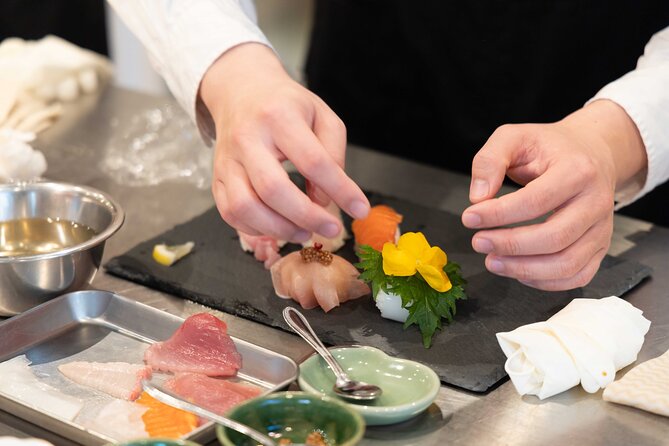
This experience is designed for people who want to do something with their hands, not simply sit down and eat sushi. You begin with an introduction to Japanese food culture, then move into the building blocks of the meal.
The class takes place at the Sushi Gastronomy Lab on the third floor of 284 Ōgisakayachō in Kyoto’s Shimogyo Ward. The activity begins and ends at this same meeting point, which keeps the logistics simple. It is also near public transportation, so you do not need a complicated transfer plan.
With a maximum of 10 people, the class has a more personal feel than a large demonstration. That matters when you are learning to handle rice, shape sushi, or fold tamagoyaki. You can watch the instructor, copy the movement, and ask for help before your rice becomes a small edible landslide.
The total time is about 1 hour and 30 minutes. That makes this easy to fit between other Kyoto plans, though you should not expect a slow, multi-course restaurant meal. The pace is likely to stay active because the class includes several separate preparations.
More Market Tours around the world:
- Kyoto: Enjoy Sushi & Market Tour! Best for Family & Couple!
★ 4.8 · 20 reviews
Fresh fish and the first taste of Kyoto
The use of fish purchased on the morning of the class is one of the strongest points here. Fresh ingredients do not turn a beginner into a sushi chef, but they make a real difference in flavor and give you a better understanding of why ingredient quality matters in Japanese cooking.
You also get an introduction to traditional seasonings. Soy sauce and miso may be familiar to you already, but tasting them as part of a structured lesson helps you notice their different roles. Soy sauce adds salt and savoriness to sushi, while miso brings body and depth to soup and other dishes.
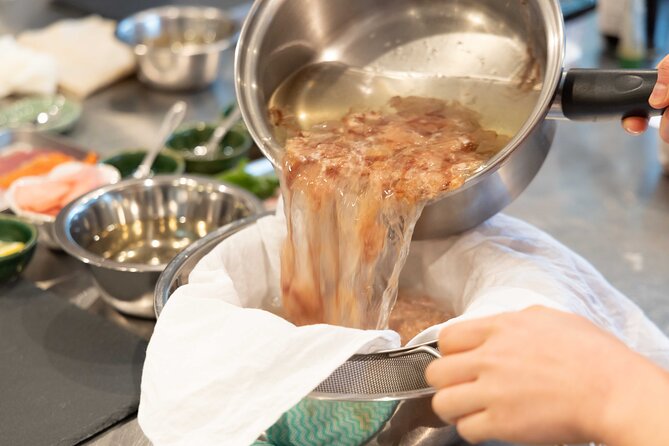
The class also introduces dashi, the basic Japanese stock. You taste and compare it, then use it in miso soup. This is a useful part of the experience because dashi appears in many Japanese dishes, yet it can be hard to understand from a menu alone. Here, you can connect the ingredient to the finished flavor.
The focus on seasonings gives the class more substance than a simple sushi assembly session. You are not only placing toppings on rice. You are learning how Japanese cooking builds flavor through small, carefully balanced components.
Making vinegar rice and three kinds of sushi
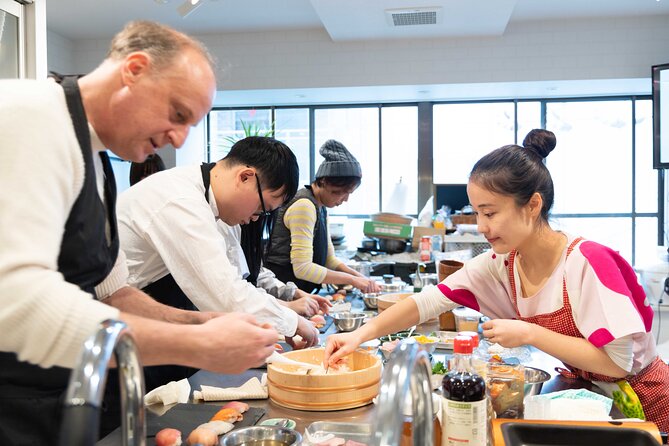
The first major cooking task is making vinegar rice. This is a key step, since sushi rice needs the right balance of texture, moisture, and seasoning. The class lets you see how the rice is prepared before you begin shaping it.
Next, you work with three sushi styles:
- Nigiri: Hand-shaped rice topped with fish or another ingredient.
- Temari: Small, rounded sushi with a decorative appearance.
- Temaki: Hand rolls that you shape and eat in a more casual style.
The variety is a major benefit, especially for families and couples. You can compare the techniques rather than leaving with one narrow skill. Nigiri asks for careful shaping, temari gives you room to think about appearance, and temaki is often the most relaxed of the three.
The artistic side is part of the appeal. You are encouraged to create sushi that looks good as well as tastes good. That makes the class suitable for a home party, where presentation matters almost as much as flavor.
A useful detail is that the experience includes materials you can use after returning home. This gives the class value beyond the meal in Kyoto. You can try the techniques again instead of letting the lesson become one more holiday memory that disappears when you unpack.
Dashi, miso soup, and tamagoyaki
Sushi gets the attention, but the supporting dishes make this class more useful. You learn how to make dashi, taste and compare it, and use it as the base for miso soup.
That sequence helps you understand a basic Japanese meal. You are not just handed a bowl of soup. You taste the stock first, then see how miso changes it. For anyone curious about Japanese home cooking, this may be as useful as the sushi portion.
You also prepare tamagoyaki, the Japanese rolled omelet. Its layered shape comes from rolling the egg mixture during cooking, so it requires a little control and patience. It is a good choice for a short lesson because it gives you a second technique that has nothing to do with raw fish.
The combination of sushi, soup, and omelet makes the class feel like a compact introduction to Japanese cooking. It also helps people with different tastes. Someone who is unsure about raw fish can still take part in the soup and egg preparation.
Same place, a slower evening:
- Romantic Venice: 30 Minute Gondola Ride with Serenade
★ 3.5 · 2,742 reviews - Paris: Romantic Cruise with 3-course Dinner on Seine River
★ 4.3 · 2,295 reviews - Vienna: Romantic Old Town 2-Hour Discovery Tour
★ 4.7 · 816 reviews - Dubrovnik: Romantic Sunset Cruise & Cave Visit with a Local
★ 4.7 · 611 reviews
Dessert, coffee, and optional Kyoto drinks
After the cooking and meal, handmade Kyoto-style dessert and coffee are provided. This is a pleasant way to slow down after the practical work, and the dessert can also be taken away.
The takeaway option is useful if you are already full or need to leave promptly. It also gives you a small food souvenir that does not involve buying another packaged item in a shop.
Local sake and beer are available for an extra charge. Alcohol is served only to adults over 20, so families should keep that rule in mind. The drinks are optional, which keeps the base price clear for people who prefer coffee or a nonalcoholic meal.
The food and drink plan is well suited to a couple who wants a shared activity, but it also works for a family. Children can take part in shaping sushi and making omelet, while adults may be more interested in the fish, dashi, and local beverages.
Is the $85.64 price good value?
At $85.64 per person, this is not the cheapest meal in Kyoto. You are paying for instruction, ingredients, a small group setting, dessert, coffee, and the chance to prepare several dishes yourself.
I think the value is strongest if you want an activity rather than only a meal. A restaurant can serve you sushi more quickly, but it will not teach you how to make three styles at home, compare dashi, or prepare tamagoyaki. The included take-home materials also give the experience some lasting value.
The price may feel less attractive if you mainly want a market walk or a long tasting menu. Although the experience is presented as a sushi and market tour, the detailed program centers on the cooking class at the Sushi Gastronomy Lab. No separate market route or extended market stop is specified, so you should book this for the kitchen lesson first.
The class has an average booking lead time of 59 days. That suggests you should plan ahead, especially if your Kyoto dates are fixed or you want a particular day. It is possible to receive confirmation quickly for late bookings, subject to availability, but waiting until the last minute is not the safest choice.
Family suitability and dietary requests
This is a strong pick for families because the work is active and the finished food arrives quickly. Two children can take part in the process rather than sitting through a long formal meal. A family with two children has already used the experience as part of a Japan trip, making it a practical option before continuing to another destination such as Hiroshima.
The 90-minute length also helps. It is long enough to feel worthwhile but short enough for children who may lose interest during a full afternoon class. Still, children need to be able to follow food preparation instructions, and the class may involve raw fish handling.
Vegetarian menus are available. If you need vegetarian ingredients or a menu that differs from the standard one, contact the provider in advance. Do not wait until you arrive, since the fish and other ingredients are prepared for the booked menu.
The available information does not specify every allergy procedure or every ingredient substitution. If you have a serious allergy, ask before booking and explain exactly what you need.
Why couples may enjoy it
For couples, the class offers a shared task without the formality of a standard dinner. You can divide up the preparations, compare your sushi shapes, and enjoy the meal you helped make.
The artistic element adds a little friendly competition. One person may produce tidy nigiri, while the other creates the more decorative temari. There is no need to treat it like a professional exam. The point is to learn a technique and enjoy the result.
Conversation continues after the meal, when participants can talk together and receive seasonal sightseeing suggestions from a Kyoto tourism expert. This part can help you decide what to see next, though the class itself remains centered on food.
The small group is another advantage for couples. With no more than 10 people, you are less likely to feel lost in a crowd. You also have a better chance to ask about ingredients, Kyoto food customs, or ways to repeat the recipes at home.
Practical details at 284 Ōgisakayachō
The meeting point is on the third floor at 284 Ōgisakayachō, Shimogyo Ward, Kyoto, 600-8095. Check the address carefully before setting out, since the class is not described as a hotel pickup experience.
The activity ends at the same location. That is helpful if you want to continue sightseeing afterward, return to your hotel, or make a meal reservation nearby. The class is close to public transportation, but the exact station or walking time is not provided, so allow enough time to find the building and reach the third floor.
The experience has a maximum of 10 participants. That limit is important because the value of a hands-on class depends partly on access to the instructor and work area.
You receive confirmation when booking in most cases. If you book within three hours of the start time, confirmation is sent as soon as possible and depends on availability. Free cancellation is available if you cancel at least 24 hours before the start time. Cancellations or changes made inside that window are not accepted for a refund.
What the small number of ratings tells you
The experience has a five-star rating based on two published ratings. That is encouraging, but the sample is small, so I would treat it as a positive signal rather than proof that every class will suit every person.
The strongest praise centers on three practical qualities: the kitchen is clean, the instructions make it easy to prepare three types of sushi, and the materials help you repeat the activity at home. Those are exactly the details I would value in a short cooking class.
The other clear strength is its educational quality for families. It is not just an adult food lesson. Children can participate, and the class gives a family a shared activity during a busy Japan trip.
Should you book this Kyoto sushi class?
I would book it if you want a short, hands-on food experience with fresh fish, several Japanese dishes, and a small group. It suits couples, families with children, first-time sushi makers, and anyone who wants practical skills to take home.
I would skip it if your main goal is a long market exploration, an advanced chef-led course, or a full restaurant tasting. The class lasts about 90 minutes, and its strength is focused instruction rather than a broad Kyoto food tour.
For the best fit, request any vegetarian or ingredient changes before booking, plan to arrive at the third-floor meeting point with time to spare, and reserve early if your dates are firm. At $85.64, the experience makes the most sense when you value the lesson as much as the meal.
FAQ
How long does the Kyoto sushi experience last?
The experience lasts approximately 1 hour and 30 minutes.
Where does the activity begin?
It begins at the Sushi Gastronomy Lab, 3f, 284 Ōgisakayachō, Shimogyo Ward, Kyoto, 600-8095, Japan.
Where does the activity end?
The experience ends back at the meeting point.
How many people can join the class?
The activity accommodates a maximum of 10 people.
Are vegetarian menus available?
Yes. Vegetarian menus and menus using different ingredients are available if you request them in advance.
Are drinks included?
Dessert and coffee are included. Sake and beer are available for an additional charge, and alcoholic drinks are served only to adults over 20.
Can I cancel for a full refund?
Yes, if you cancel at least 24 hours before the experience start time. Cancellations or changes made less than 24 hours before the start time are not accepted for a refund.
Just added around the world
- Zadar: Romantic Sunset Boat Tour with Champagne★ 4.9 · 11 reviews
- Weimar: Adventure Date, Walk with Quiz and Dinner for Couples★ 3.8 · 12 reviews
- Zakynthos: Romantic Sunset Tour & the Legend of the Dragon★ 5.0 · 4 reviews
- From Zadar: Romantic Sunset Sailboat Tour★ 5.0 · 5 reviews
- Anniversary & Destination Wedding Photo-shoot in Vienna★ 5.0 · 3 reviews
- Vienna: Johann Strauss 200th birthday anniversary exhibition★ 4.7 · 3 reviews
- Vienna: Professional Proposal Photographer★ 5.0 · 8 reviews
- Venice: Romantic Palace Dinner and Private Gondola Ride★ 4.7 · 6 reviews
Kyoto Romantic Experiences, compared.
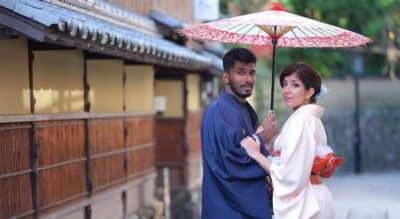
Kyoto Kimono Rental mimosa |Kimono/Yukata Rental Couple Plan
Read our review →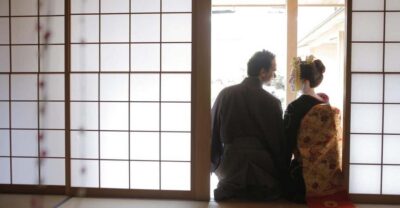
Kyoto kiyomizu Temple : Maiko and Samurai Couple Photoshoot
Read our review →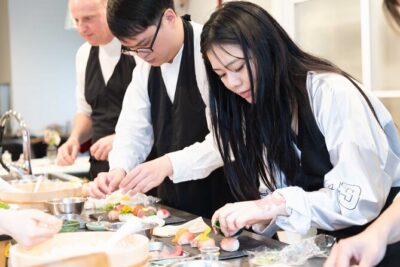
Enjoy Sushi & Market Tour! Best for Family & Couple!
Read our review →
Browse the lists this tour appears in