
Review · KYOTO
Kyoto: Enjoy Sushi & Market Tour! Best for Family & Couple!
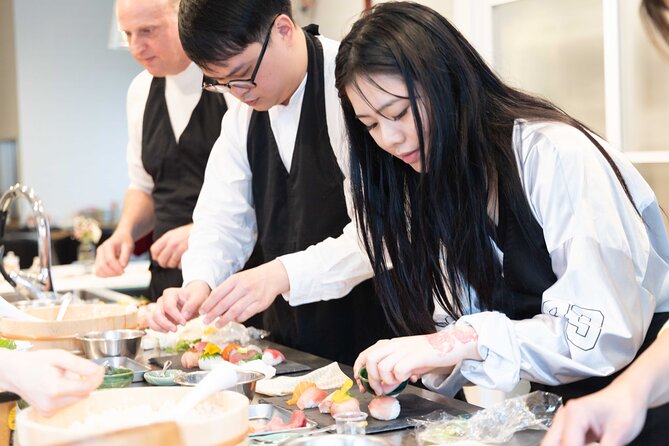
Sushi making gets personal here. In just two hours, you visit Nishiki Market, watch fresh fish being prepared, make three kinds of sushi and miso soup, then sit down to eat what you created. I especially like the small group limit of 10, which should give you room to work, and the added advice on seasonal Kyoto sightseeing from a local tourism expert. The central location also makes this an easy stop between Gion, Kiyomizu-dera, and Kyoto Station.
The fish-cutting demonstration gives the class a useful link to Kyoto’s food culture, rather than treating sushi as a craft lesson in isolation. I also like that you learn techniques you can repeat at home, from vinegar rice to nigiri, temari, and temaki. The main consideration is price: at $77 per person for two hours, this is not a cheap meal, and one participant found the instructor less engaged than expected.
Four things to know before you book
- Nishiki Market adds a real food connection: You see fish prepared by skilled vendors before using market ingredients in class.
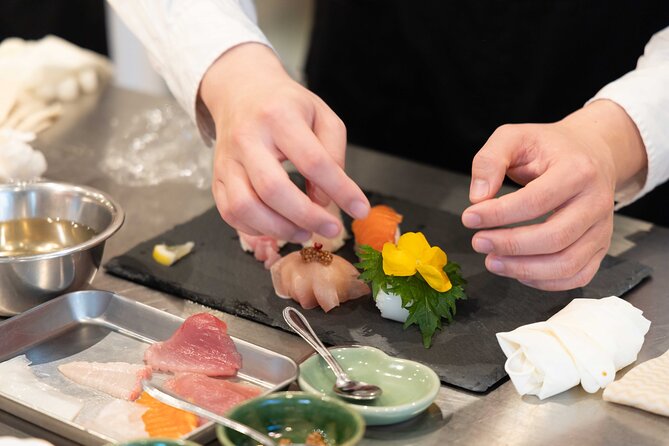
- Three sushi styles keep the lesson lively: You make nigiri, temari, and temaki, each with a different shape and method.
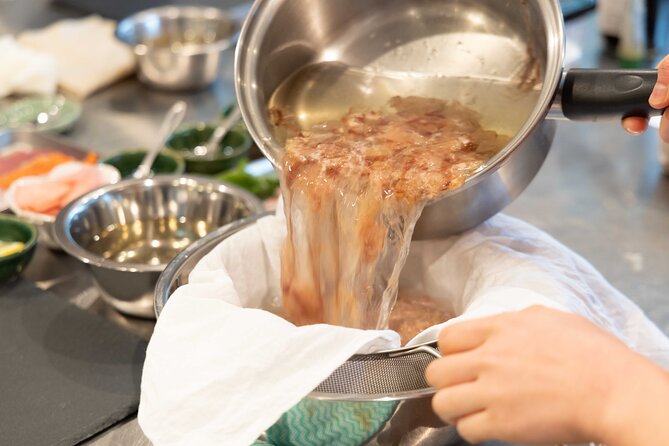
- Miso soup includes a dashi lesson: You taste and compare dashi before learning how it forms the base of the soup.
- The meal is part of the class: Sushi, miso soup, dessert, and coffee are included after the preparation work.
- Local sightseeing advice comes free with lunch: A Kyoto tourism expert shares seasonal ideas for the rest of your trip.
- The central meeting point saves time: The class is about 10 minutes from Kyoto Station and 5 minutes from Shijo Station.
Why this Kyoto cooking class works well for families and couples
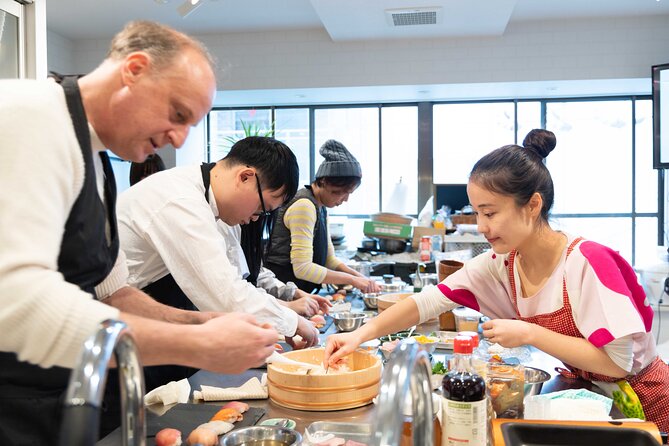
This experience succeeds because it gives you something to do with your hands. Kyoto has no shortage of temples, gardens, and lanes to admire, but a short cooking class changes the pace. You stop looking and start making.
For families, that practical element matters. Children and adults can take part in shaping sushi, preparing rice, and mixing soup rather than sitting through a long food talk. The five-star comments from families describe the experience as a highlight, and one family particularly enjoyed seeing salmon cut at the market before making three types of sushi.
Couples get a different benefit. The class gives you a shared task without requiring professional cooking skills. You can compare your sushi shapes, adjust your flavors, and finish with dessert and coffee. It is more memorable than simply ordering another sushi meal, since you see the work behind each piece.
The class also suits solo visitors and small groups, though the strongest fit is for people who enjoy food, conversation, and a little guided instruction. The experience is conducted in English and Japanese, and the maximum group size is 10. That is small enough to feel personal, though the quality of the interaction may depend partly on the instructor and the makeup of the group.
More Market Tours around the world:
- Kyoto: Enjoy Sushi & Market Tour! Best for Family & Couple!
★ 5.0 · 2 reviews
Starting near Kyoto Station, Shijo, Gion, and Kiyomizu-dera
The meeting point is in front of a building with Salon Roll hair salon on the first floor. This detail is important because the class does not begin at a famous temple or a large station entrance. You will want to identify the hair salon before your meeting time.
The location is useful for a Kyoto sightseeing day. It is about 10 minutes from Kyoto Station and 5 minutes from Shijo Station. It is also close to Gion and Kiyomizu-dera, so you can place the class before or after those areas without sending yourself across the city.
A two-hour activity is easy to fit into a busy schedule. You could use it as a midday break from sightseeing, or book it early and spend the rest of the day near central Kyoto. Since starting times vary, check availability before planning temple visits around it.
The central setting is one of the tour’s quiet strengths. You do not need to commit half a day to a distant cooking school. You get a focused food experience and still have time for Kyoto’s major sights.
Nishiki Market: fish cutting before the cooking begins
The visit to Nishiki Market gives the class its clearest sense of place. You go with the guide to select fresh fish and watch vendors prepare it. The fish-cutting demonstration is not just a visual extra. It shows the care and precision involved before the ingredient reaches your plate.
Salmon cutting was a memorable part of one family’s experience. You might see a different fish or preparation depending on the market’s supply, but the central idea is the same: sushi begins with ingredients and knife work, not with a decorative roll assembled at the last minute.
This market visit also gives you an introduction to Japanese food culture. Nishiki is a well-known food market, but a guided visit helps you notice the preparation behind what you buy. You are not simply wandering past stalls. You are looking at fish with a cook’s eye, then using that knowledge in the class.
The limitation is time. The entire experience lasts two hours, so the market portion cannot become a long food walk. If you want extensive tasting, shopping, or time to explore every market lane, plan a separate visit to Nishiki Market.
Vinegar rice is the foundation of the lesson
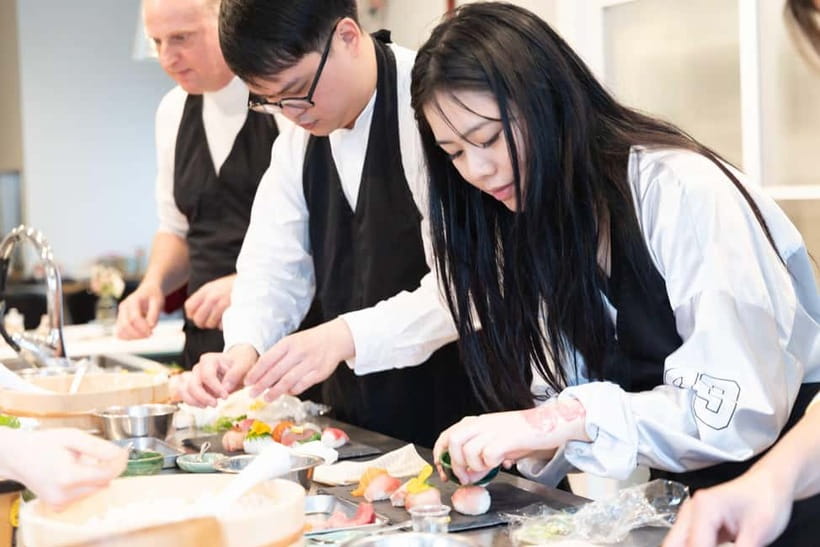
Many people think sushi making is mainly about shaping fish and rice. This class begins with a more useful lesson: making vinegar rice.
Rice texture and seasoning affect every piece you make. The class shows you how the rice is prepared for sushi, giving you a skill that can be repeated at home. That practical focus is one reason the class feels more useful than a demonstration where you only watch an instructor work.
You then use the rice for three forms of sushi:
- Nigiri: Rice topped with fish, the classic hand-shaped style.
- Temari: Rounded sushi with a compact, decorative shape.
- Temaki: Hand-rolled sushi that gives you a more informal way to build and eat each piece.
The variety keeps the lesson from becoming repetitive. Nigiri asks for control, temari gives you room to shape something artistic, and temaki is usually the most relaxed of the three. The experience description places special emphasis on creativity, so you should expect some freedom in how you present your sushi.
That does not mean the class is completely self-directed. The guide teaches the basic methods and helps you use the right techniques. One participant praised the balance between instruction and personal flavor choices, saying the guide helped with proper methods while still allowing room for creativity.
Same place, a slower evening:
- Romantic Venice: 30 Minute Gondola Ride with Serenade
★ 3.5 · 2,742 reviews - Paris: Romantic Cruise with 3-course Dinner on Seine River
★ 4.3 · 2,295 reviews - Vienna: Romantic Old Town 2-Hour Discovery Tour
★ 4.7 · 816 reviews - Dubrovnik: Romantic Sunset Cruise & Cave Visit with a Local
★ 4.7 · 611 reviews
Dashi and miso soup add depth to the meal
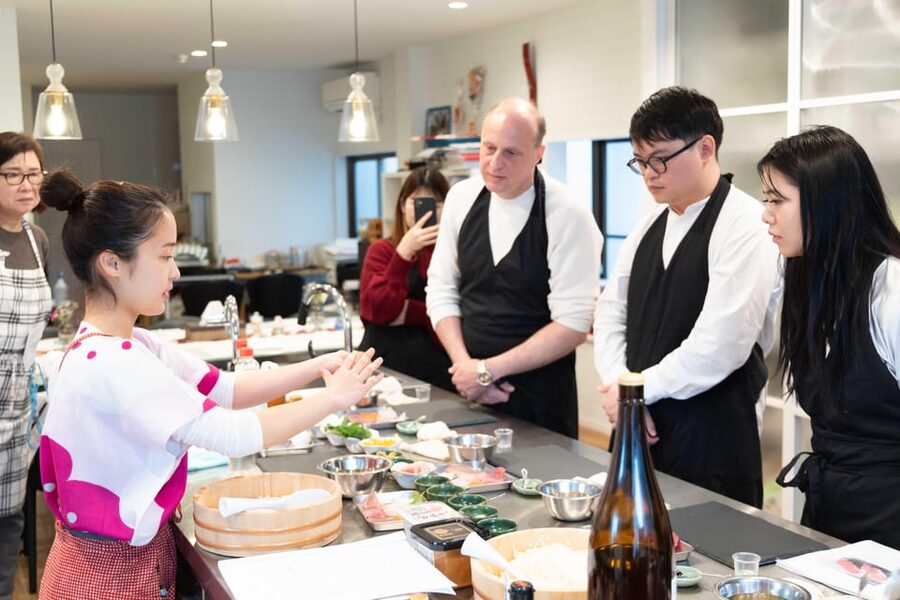
The miso soup lesson is more than a quick side dish. You learn how to make dashi, taste and compare it, and use it as part of the soup. Dashi is a core Japanese stock, so this portion helps explain why a simple bowl of miso soup can have such a savory base.
I like this inclusion because it broadens the class beyond sushi. You learn about rice, fish, shaping, stock, and miso in one short session. That gives you a better sense of how several basic ingredients work together in Japanese cooking.
The tasting and comparison are also useful for beginners. Instead of hearing only that dashi matters, you get a chance to notice the difference in flavor. The lesson remains introductory, but it gives you a starting point for experimenting at home.
If you are mainly interested in sushi, the soup section takes time away from fish preparation. For most people, that is a fair trade. The meal would feel incomplete without miso soup, and the lesson adds a traditional element without requiring advanced cooking skills.
Eating your own sushi, soup, dessert, and coffee
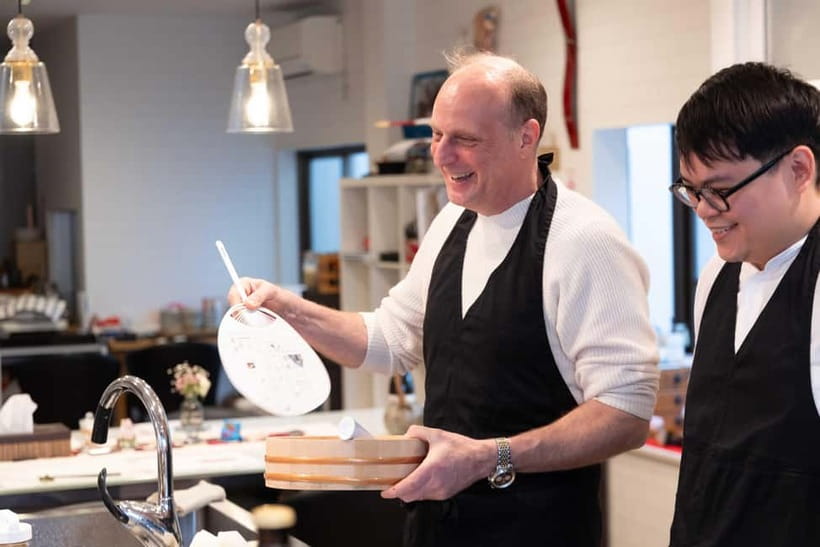
After the preparation, you sit down to eat the sushi and miso soup. This is where the class pays off. You are not making food only for a photograph or a short demonstration. You get a complete meal from the work you have just done.
Dessert and coffee are included as well. A homemade matcha dessert and green tea were part of one particularly praised experience, though the exact dessert may vary. The matcha finish fits the setting and gives the meal a distinctly Kyoto feel.
You can also order local drinks such as sake and beer for an extra charge. These are optional, so the base price does not include alcoholic drinks. If you are traveling as a couple, sharing a local beverage can make the meal feel more like a relaxed lunch, but you should budget for it separately.
The food is likely to taste better because you made it yourself, but the value is not simply the amount of food. You are paying for instruction, market access, the meal, and conversation. If you want the cheapest sushi lunch in Kyoto, this is not the right choice. If you want a hands-on food lesson that replaces a meal, the price is easier to justify.
Seasonal Kyoto advice from a local expert
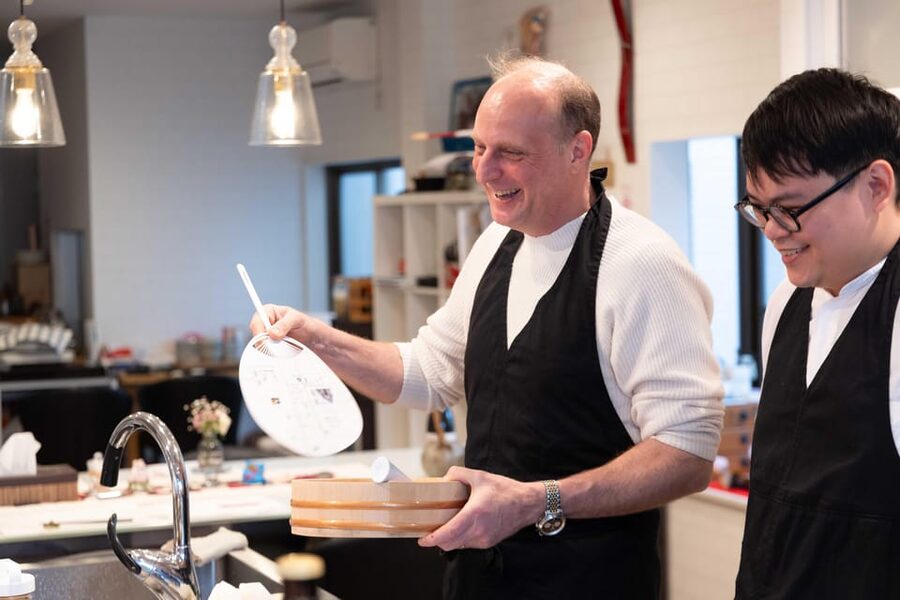
The class includes more than cooking guidance. A Kyoto tourism expert shares seasonal sightseeing information and recommendations for your visit.
This can be especially useful if you have flexibility after the class. Kyoto changes with the season, and advice on what to see next may help you avoid spending the rest of the day on a poor match for the weather or time of year. The information is not described as a full sightseeing tour, so think of it as practical conversation rather than a separate guided excursion.
I would use this part actively. Arrive with one or two questions about your Kyoto plans. Ask for ideas that fit the season, your remaining time, or your interest in food and neighborhoods. The value depends on how much you engage, since a short class cannot offer a complete city tour.
The chance to speak with someone familiar with Kyoto also adds a human touch. You get cooking instruction, then a chance to ask what might be worth seeing next. That combination makes the class more useful than an isolated workshop.
Instructor style and the small-group tradeoff
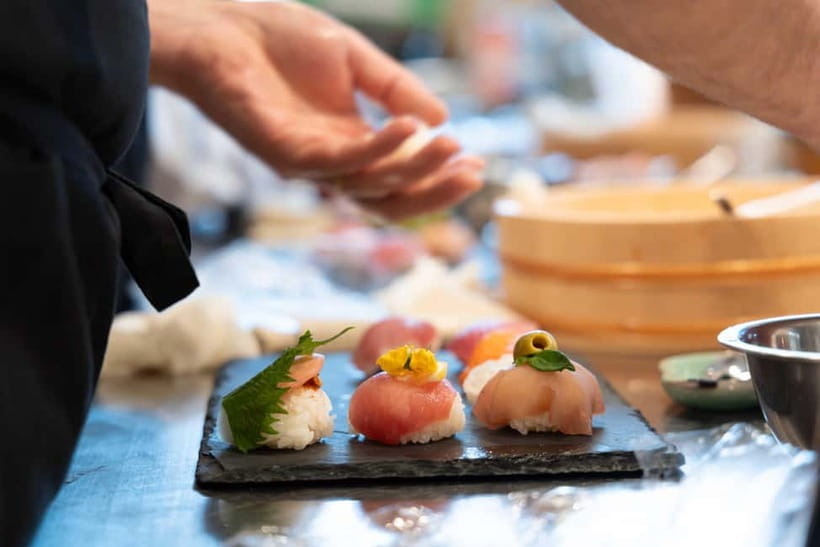
The strongest praise centers on the guides. They are described as kind, gracious, helpful, and good at teaching technique. One participant said the guide helped make sushi approachable while allowing the group to explore its own flavors. Another family found the teaching so effective that the experience became the top activity of its Kyoto visit.
The facility was also described as professional. That matters in a cooking class because clean, organized work areas make it easier to follow instructions and enjoy the meal.
Still, you should keep expectations realistic. One participant felt the instructor did not interact enough with the group and wanted more hands-on attention. That criticism is important because a small group does not guarantee a highly personal teaching style every time.
A group of up to 10 is a sensible size for this format. It allows conversation without making the class feel like a large demonstration. If you want constant one-on-one coaching, you may find the experience less satisfying. If you are comfortable learning in a shared setting, the group size should work well.
Is $77 a fair price for two hours?
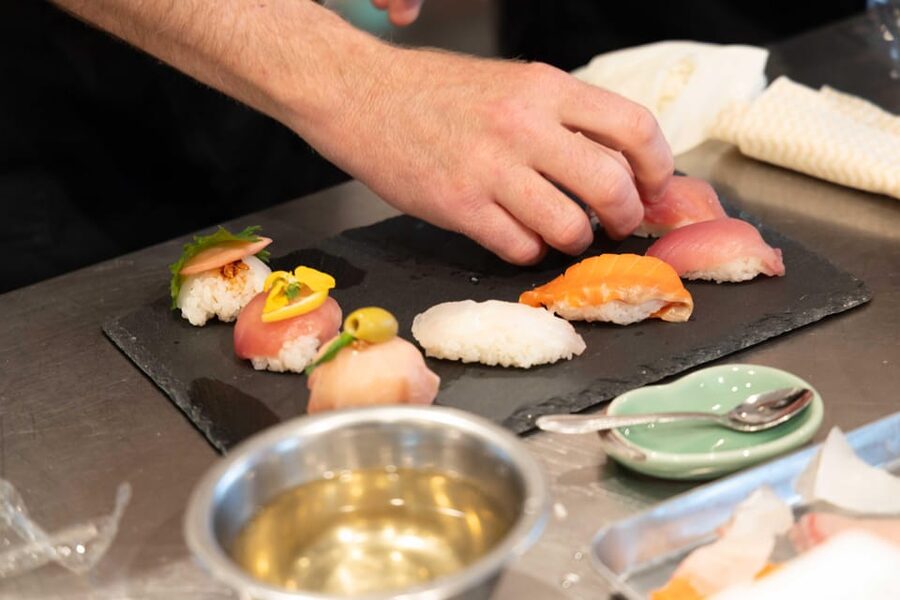
At $77 per person, the price sits above an ordinary sushi lunch but includes several parts: the market visit, fish preparation viewing, sushi instruction, vinegar rice, dashi tasting, miso soup, the meal, dessert, coffee, and seasonal sightseeing advice.
I would judge the price by what you want from the activity. For a simple meal, it is expensive. For a two-hour food experience with instruction and included dishes, it is reasonable, especially if you value the chance to repeat the recipes at home.
The fish from Nishiki Market is a major part of the value. You see it being prepared and then connect the market visit to the food on your plate. That link makes the experience feel more grounded in Kyoto than a generic sushi class held anywhere.
The value also improves for families and couples who would otherwise pay separately for a meal and an activity. You get both in one booking. A family may find the shared task worth more than another passive sightseeing stop, while a couple may appreciate the combination of learning, eating, and conversation.
The price is harder to defend if you expect a long market tour, a large number of dishes, or advanced knife training. None of those are promised. This is a compact introduction to Japanese food culture, not a professional culinary course.
Practical details you should know
The activity lasts two hours, and the available start times should be checked before booking. The meeting point is central, but you should look for the building with Salon Roll on the first floor rather than relying only on a general map pin.
English and Japanese are offered. The activity is wheelchair accessible, and smoking is not allowed indoors.
You can cancel up to 24 hours before the activity for a full refund. The reserve-now, pay-later option lets you hold a place without paying immediately, which is useful when you are arranging several Kyoto activities.
The experience is operated by 株式会社のぞみ. The current rating is 4.8 from 20 ratings, with especially strong praise for family enjoyment, the market visit, the food, and the guides’ friendly instruction.
Who should book this sushi and market experience?
I would recommend it most strongly to families with children old enough to take part in simple food preparation, couples who want a shared activity, and first-time visitors who enjoy learning through food.
It also suits anyone who wants to make sushi at home after returning from Japan. The instruction covers enough basic skills to give you a useful starting point, especially vinegar rice and the three sushi forms.
You may want to skip it if your main goal is a long Nishiki Market food crawl, a private cooking lesson, or advanced sushi training. The experience is short, and one mixed teaching experience shows that interaction may not feel equally strong for everyone.
Should you book it?
Book this class if you want to connect a Kyoto market visit with a meal you make yourself. The combination of fish preparation, sushi shaping, dashi, miso soup, dessert, and local sightseeing advice gives the two hours a clear purpose.
I would be most comfortable recommending it to families and couples who see $77 as the price of both lunch and an activity. If you are watching your budget or want a full market tour, spend your money elsewhere. For a compact, friendly introduction to Japanese cooking in a central Kyoto location, this is a well-rounded choice.
FAQ
How long does the Kyoto sushi and market tour last?
The activity lasts two hours.
How much does the experience cost?
The price is $77 per person.
Where is the meeting point?
Meet in front of a building with a hair salon called Salon Roll on the first floor.
How close is the meeting point to Kyoto Station?
The meeting point is about 10 minutes from Kyoto Station.
How close is the experience to Shijo Station?
It is about 5 minutes from Shijo Station.
Which languages are available?
The instructor support is available in English and Japanese.
What kinds of sushi will I make?
You will learn to make nigiri, temari, and temaki sushi.
Is miso soup included?
Yes. You learn how to make dashi, taste and compare it, and prepare miso soup.
Is food included after the cooking lesson?
Yes. Sushi, miso soup, dessert, and coffee are included.
Can I order sake or beer?
Yes. Kyoto sake and beer are available for an additional charge.
Is the experience wheelchair accessible?
Yes, the activity is wheelchair accessible.
How many people can join the group?
The group is limited to 10 participants.
Can I cancel for a full refund?
Yes. You can cancel up to 24 hours in advance for a full refund.
Do I have to pay when I reserve?
No. The reserve-now, pay-later option lets you book without paying immediately.
Is smoking allowed indoors?
No. Smoking is not allowed indoors.
Just added around the world
- Zadar: Romantic Sunset Boat Tour with Champagne★ 4.9 · 11 reviews
- Weimar: Adventure Date, Walk with Quiz and Dinner for Couples★ 3.8 · 12 reviews
- Zakynthos: Romantic Sunset Tour & the Legend of the Dragon★ 5.0 · 4 reviews
- From Zadar: Romantic Sunset Sailboat Tour★ 5.0 · 5 reviews
- Anniversary & Destination Wedding Photo-shoot in Vienna★ 5.0 · 3 reviews
- Vienna: Johann Strauss 200th birthday anniversary exhibition★ 4.7 · 3 reviews
- Vienna: Professional Proposal Photographer★ 5.0 · 8 reviews
- Venice: Romantic Palace Dinner and Private Gondola Ride★ 4.7 · 6 reviews
Kyoto Romantic Experiences, compared.
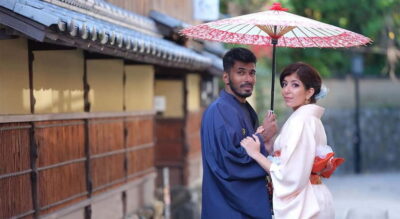
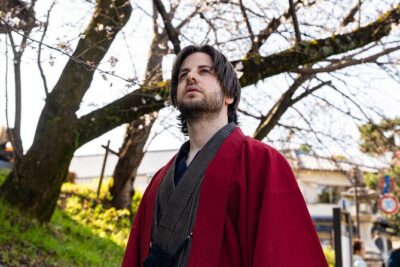
Kyoto Kimono Rental mimosa |Kimono/Yukata Rental Couple Plan
Read our review →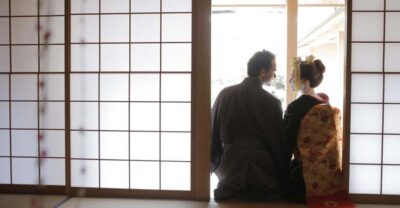
Kyoto kiyomizu Temple : Maiko and Samurai Couple Photoshoot
Read our review →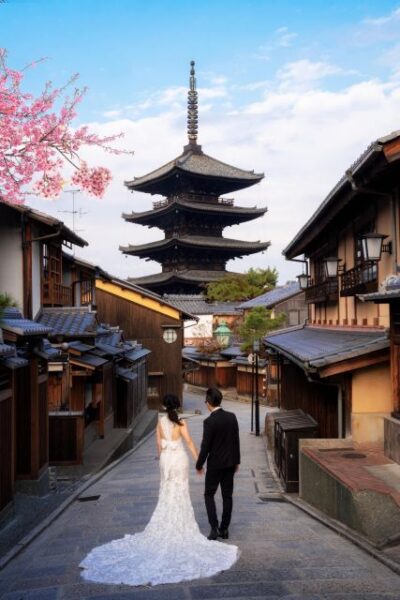
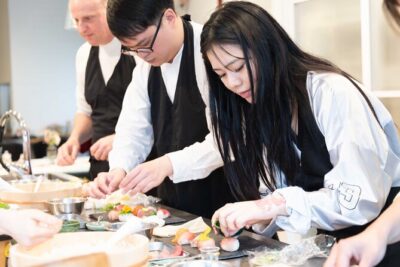
Enjoy Sushi & Market Tour! Best for Family & Couple!
Read our review →Browse the lists this tour appears in