
Review · VIENNA
Vienna: Johann Strauss 200th birthday anniversary exhibition
Vienna still dances to Johann Strauss. This exhibition at the Theatermuseum in Palais Lobkowitz brings the Waltz King’s music, manuscripts, stage works, and personal story together in the city that helped make him famous. I especially like the original score of Die Fledermaus and the way the show connects Strauss to audiences far beyond Austria.
I also like the lively music examples and the chance to see original performance objects rather than only reading wall text. The main caution is that one musical sequence is not synchronized with its films, which can make an otherwise polished presentation feel slightly out of step.
Key things to know before you go
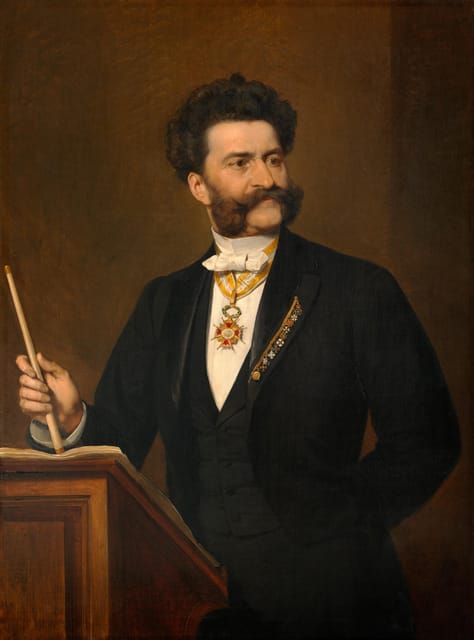
- The original Die Fledermaus score is one of the exhibition’s main treasures, giving you a direct link to Strauss’s music theater.
- The story reaches Boston, showing how Strauss’s music moved from Vienna into the wider world.
- Music examples bring the displays to life, with lively sounds that help explain why Strauss remains popular.
- Palais Lobkowitz provides the setting, adding an elegant historic backdrop to the exhibition.
- The show covers both music and private life, including Strauss’s family relationships, marriages, and love affairs in Russia.
- The $18 ticket includes museum admission, but an audio guide costs extra and is not part of the ticket.
Meeting the Waltz King at Palais Lobkowitz
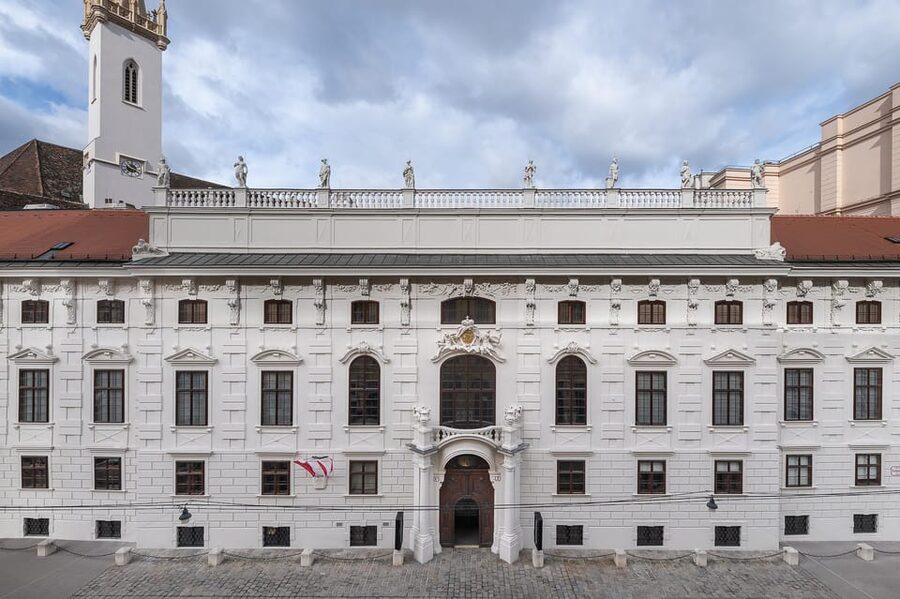
The exhibition takes place inside Vienna’s Theatermuseum, housed in the magnificent Palais Lobkowitz. That location matters. Johann Strauss Sohn is not presented in a plain modern gallery, but in a historic setting connected to Vienna’s long love affair with theater, concerts, dance, and spectacle.
I would allow enough time to look beyond the anniversary display itself. Your ticket includes admission to the Theatermuseum, so the visit is not limited to a single room about Strauss. The museum setting gives the exhibition more weight and helps place his work within Vienna’s performing arts tradition.
The exhibition marks the 200th anniversary of Johann Strauss’s birth. That anniversary gives the presentation a clear focus, but the show is not only a birthday tribute. It asks why Strauss still matters, how his music traveled, and how his work reflected the society and politics of his day.
You will encounter objects connected with his life and career, along with material from performances and his written legacy. These items help turn a familiar name into a working musician, composer, bandleader, and theater figure. Strauss was not simply the man behind a famous New Year’s concert tradition. His career covered dance music, concert music, and music theater.
More Anniversary Trips around the world:
- Cognac: Rémy Martin 300th Anniversary Tour
★ 4.7 · 27 reviews - Private Yacht for Surprise Events / Birthday, Proposal, Anniversary, Party etc
★ 5.0 · 19 reviews - Şeb-i Arus 753rd Anniversary on 7-17th of DEC 2026 + City Tours
★ 5.0 · 11 reviews
The original Die Fledermaus score
For many visitors, the original score of Die Fledermaus will be the exhibition’s clearest prize. This operetta remains one of Strauss’s best-known stage works, and seeing the actual musical source gives the display a direct, almost intimate quality.
A score can look modest compared with a costume or grand performance object, but it reveals the practical side of composition. You see the written form behind music that later became a full theatrical experience. It also shows why original documents matter in an exhibition about a composer: they connect the finished performance with the work of the person who created it.
The display focuses on Strauss’s artistic production, not just on his most familiar waltzes. You can expect attention to his dance and concert music, as well as his music theater works. That balance is useful because many visitors arrive knowing a few famous melodies but may not realize how broad his output was.
If you already love Die Fledermaus, the score gives you a special reason to visit. If you know little about Strauss, it provides a clear entry point into his stage career without requiring much musical training.
Music examples that make the displays easier to follow
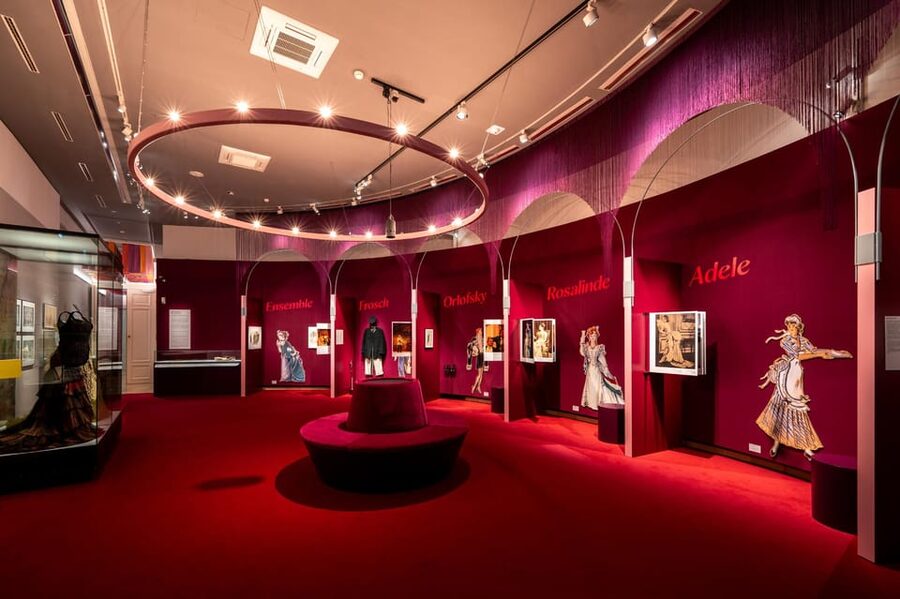
The audio content is one of the strongest parts of the experience. The music examples are lively, and they keep the exhibition from becoming a silent parade of documents and display cases. I find that especially valuable with composers, since a page of notation can be difficult to appreciate until you hear what it became.
The presentation also uses films. One problem has been noted with the timing: the music is not always synchronized with the film images. That mismatch can be distracting, particularly when you expect the moving pictures and sound to work together.
It is a small technical flaw rather than a reason to skip the exhibition. Still, it is worth knowing in advance so you do not mistake the awkward timing for part of the artistic design. The music itself remains a major strength, and the sound gives the objects a sense of purpose.
An audio guide is not included with the ticket. The exhibition’s own music examples provide part of the interpretation, but visitors who prefer spoken explanations should check what audio options are available when booking or arriving.
From Vienna to Boston
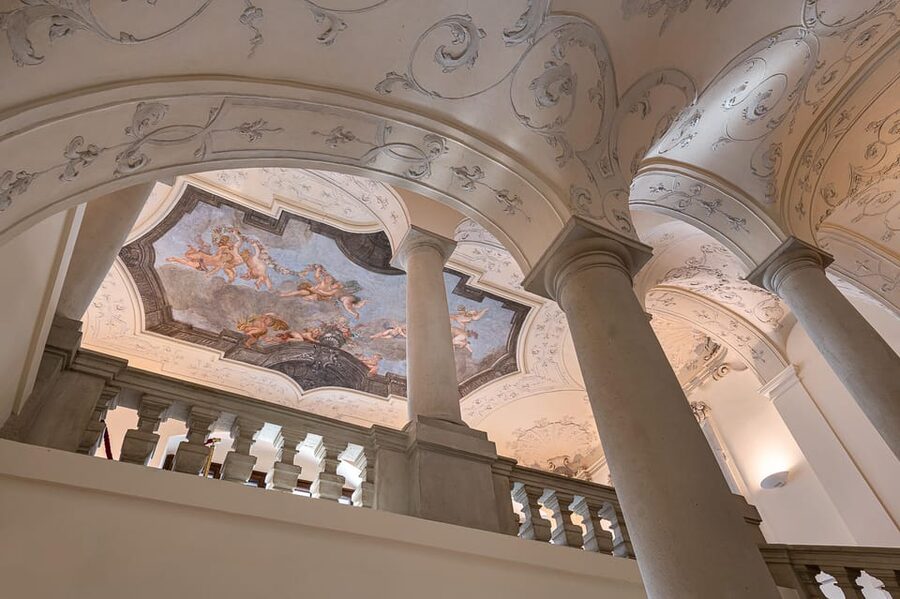
The exhibition follows Strauss’s world tour to Boston, a useful reminder that his music was never confined to Viennese drawing rooms and concert halls. The Boston connection gives the display an international angle and helps explain how the Strauss name became a worldwide cultural brand.
This part of the exhibition is especially helpful if you think of Strauss only as a local Viennese composer. His music reached distant audiences, and the show uses that journey to place him in a larger network of concerts, touring, public taste, and popular entertainment.
The Boston section also makes the title of Waltz King feel more understandable. Strauss’s fame depended not only on composing attractive music, but also on performance, publicity, travel, and the appetite of audiences beyond Austria. The exhibition’s international path gives you a better sense of that reach.
Do not expect a full travel history based on the available description. Instead, think of Boston as one important stop in the story of how Strauss’s work crossed the Atlantic and became part of a broader musical culture.
Same place, a slower evening:
- Romantic Venice: 30 Minute Gondola Ride with Serenade
★ 3.5 · 2,742 reviews - Paris: Romantic Cruise with 3-course Dinner on Seine River
★ 4.3 · 2,295 reviews - Vienna: Romantic Old Town 2-Hour Discovery Tour
★ 4.7 · 816 reviews - Dubrovnik: Romantic Sunset Cruise & Cave Visit with a Local
★ 4.7 · 611 reviews
The man behind the polished melodies
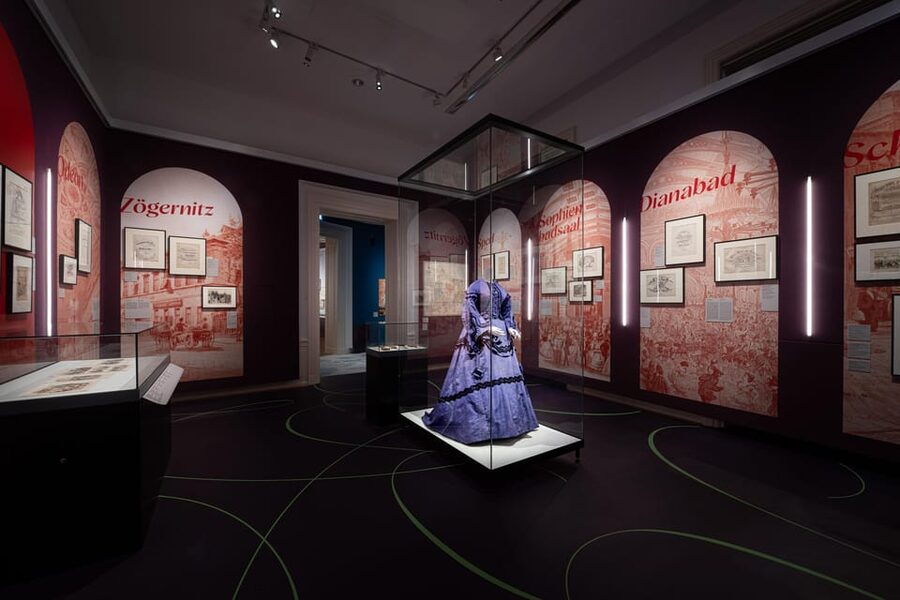
The show does not treat Strauss as a distant genius. It looks at the pressures and relationships that shaped his life, including his parents, his brothers, three wives, and love affairs in Russia.
That personal material adds a useful human layer. The public image of the Waltz King suggests elegance, ease, and endless celebration. The exhibition also presents a more demanding life, with professional strain and complicated family connections. This makes the story less like a simple success tale.
His relationships with his brothers are particularly important in understanding the Strauss family world. The supplied information does not identify each display item or explain every family conflict, so you should expect broad biographical context rather than a fully detailed family archive. Even so, the subject gives the music a more personal setting.
The references to Russia and Strauss’s love affairs also point to the international and private sides of his career. You are not only following melodies from one Viennese concert to the next. You are seeing a composer whose work, relationships, and public life extended well beyond Austria.
Original objects and the world of performance
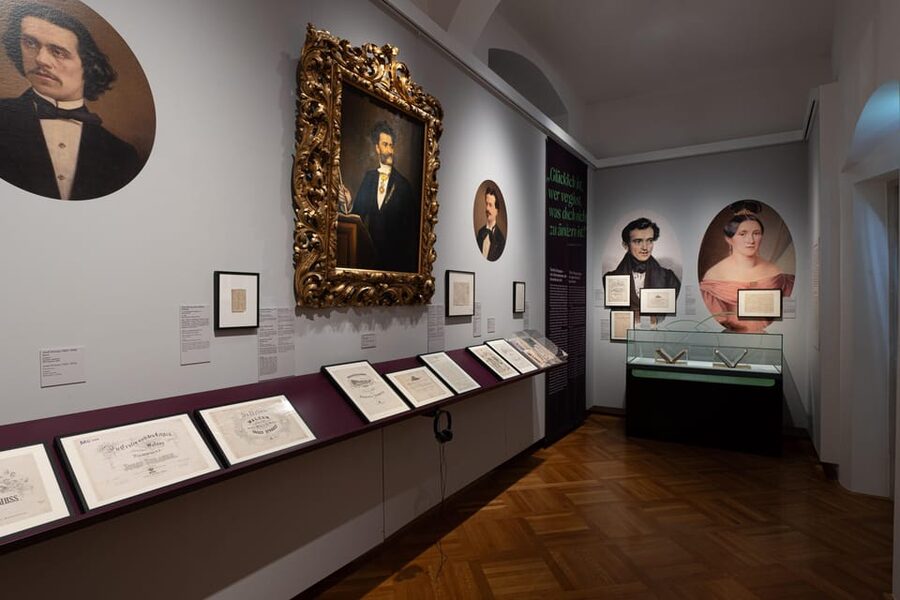
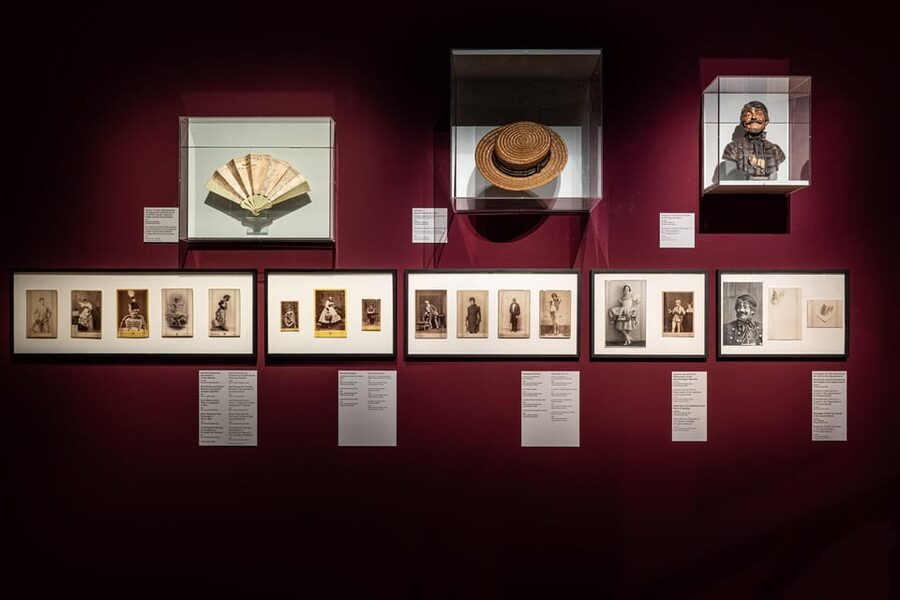
The Theatermuseum presentation includes original objects from performances and exhibits from Strauss’s written legacy. These materials help explain how his music operated in real life, on stage and in public performance, rather than existing only as abstract compositions.
Performance objects can reveal the visual side of Strauss’s success. His music was made for social movement, public display, and theatrical presentation. Even when an item does not explain itself at once, it helps you picture the production culture surrounding his work.
The written material supplies a different kind of evidence. Documents can show planning, authorship, and the practical labor behind a polished performance. Together, these objects create a link between the composer’s private working life and the public entertainment his music produced.
I would pay close attention to how the exhibition connects objects with historical and political context. The show does not present Strauss in isolation from his time. It uses performance material and written documents to suggest how the society around him shaped the way his music was made and received.
Why the Vienna setting adds real value
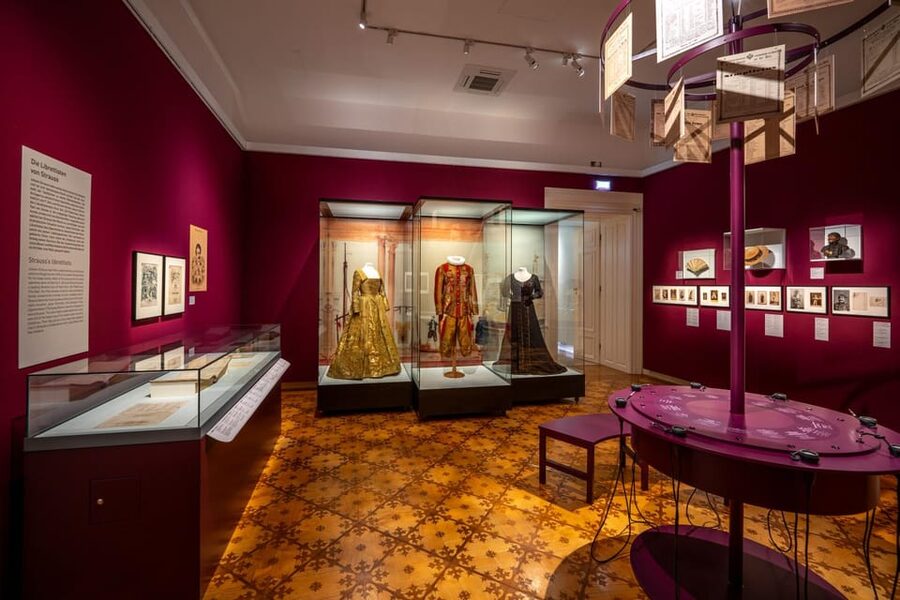
A Strauss exhibition could be presented almost anywhere, but Vienna gives this one a natural sense of place. The city helped turn his music into a global sensation, and the Theatermuseum places his work inside the same cultural world that supported theater, dance, concerts, and grand public entertainment.
You do not need to be a classical music expert to benefit from that setting. The exhibition works for a first-time visitor who wants a cultural stop with sound, images, documents, and personal stories. It also gives Strauss fans a chance to see primary material connected to music they already know.
The visit can work well as part of a day centered on Vienna’s performing arts. Since the ticket is valid for one day and includes the Theatermuseum, you have some freedom in how you arrange your schedule. Check the available starting times before booking, since the experience is tied to the time options shown for your chosen date.
The venue is wheelchair accessible. That makes the exhibition a practical option for visitors who need an accessible cultural attraction, though you should still confirm any current venue details when arranging your visit.
Is $18 a fair price?
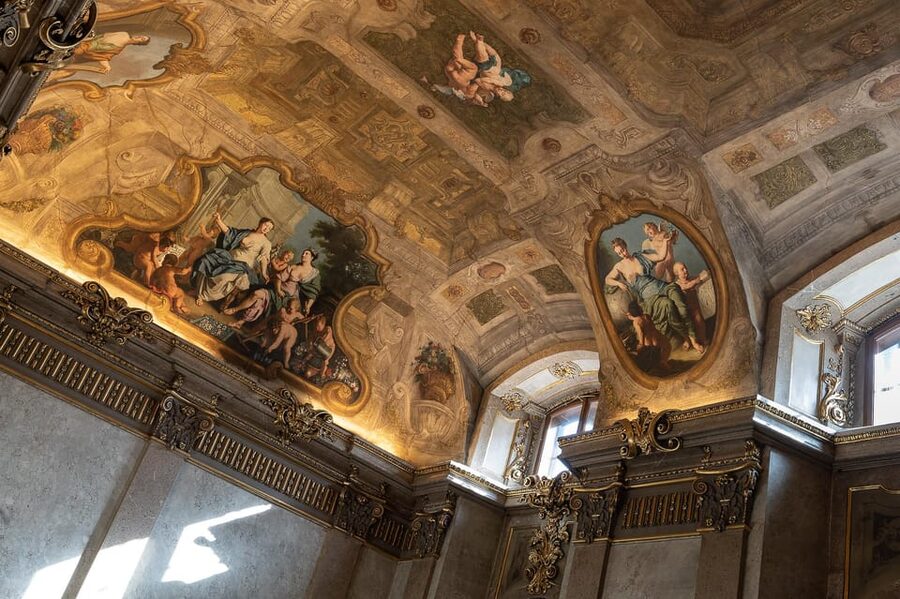
At $18 per person, the ticket is reasonably priced for a specialized exhibition when you consider that it also includes admission to the Theatermuseum in Palais Lobkowitz. You are paying for more than a short display about one composer. The ticket combines the anniversary exhibition with access to a broader theater museum setting.
The value is strongest if you already plan to visit the Theatermuseum or have a real interest in Strauss, Vienna, or music history. The original Die Fledermaus score, performance objects, written material, and music examples give the admission a clear purpose.
The value is less certain if you want a large-scale spectacle or a long guided tour. The available information does not promise a live performance, a personal guide, or an audio guide included in the price. The exhibition is a museum experience, so your enjoyment will depend on how much you like looking closely at objects, reading context, and listening to musical examples.
Reserve now and pay later is available, which can help if your Vienna schedule is still changing. You can also cancel up to 24 hours in advance for a full refund. Those terms make the ticket easier to fit into a busy city break, but check the exact conditions attached to your booking.
Who will enjoy this exhibition most?
I would recommend it first to anyone who already enjoys Johann Strauss or wants to understand why his music became so widely loved. The original score and musical examples give dedicated fans something concrete to appreciate, while the biographical material adds detail beyond the usual famous waltzes.
It also suits visitors who want a cultural attraction with more variety than a standard art museum. You get music, film, documents, objects from performances, family history, and an international story reaching Boston.
The exhibition may be less satisfying if you want a fully guided experience. With no audio guide included and a known issue with film and music synchronization, the presentation is not technically perfect. You may need to read and listen at your own pace rather than expect every part to work like a polished multimedia show.
Families and mixed-interest groups could find it useful because the music gives the subject an immediate hook. People who do not know Strauss well can start with the sounds, then move into the personal and historical material.
My verdict on the Strauss anniversary exhibition
I would book this exhibition if you want a focused look at Vienna’s most famous musical family name, especially if you value original documents and performance objects. The original Die Fledermaus score, the lively music examples, and the journey to Boston give the visit more substance than a simple composer biography.
The $18 price is fair because it includes the Theatermuseum, and the one-day validity gives you useful flexibility. Just keep your expectations practical: this is a museum exhibition, not a live Strauss concert, and the film synchronization may occasionally bother you.
Book it if you want to connect familiar melodies with the person, working life, relationships, and international career behind them. Skip it only if your Vienna schedule is already packed with performances and you have little interest in exhibits, manuscripts, or the story behind the music.
FAQ
Where is the Johann Strauss anniversary exhibition held?
It is held at the Theatermuseum in Palais Lobkowitz, Vienna, Austria.
What does the ticket include?
The ticket includes admission to the Theatermuseum in Palais Lobkowitz and entry to the Johann Strauss anniversary exhibition.
How much does admission cost?
The listed price is $18 per person.
Is an audio guide included?
No. An audio guide is not included in the ticket.
How long is the ticket valid?
The ticket is valid for one day. You should check availability for the starting times offered on your chosen date.
Is the exhibition wheelchair accessible?
Yes. The activity is listed as wheelchair accessible.
Can I cancel the booking?
Yes. You can cancel up to 24 hours in advance for a full refund.
Does the exhibition cover Strauss’s international career?
Yes. It follows Strauss’s world tour to Boston and presents his music as an international success.
Just added around the world
- Zadar: Romantic Sunset Boat Tour with Champagne★ 4.9 · 11 reviews
- Zakynthos: Romantic Sunset Tour & the Legend of the Dragon★ 5.0 · 4 reviews
- From Zadar: Romantic Sunset Sailboat Tour★ 5.0 · 5 reviews
- Weimar: Adventure Date, Walk with Quiz and Dinner for Couples★ 3.8 · 12 reviews
- Anniversary & Destination Wedding Photo-shoot in Vienna★ 5.0 · 3 reviews
- Vienna: Professional Proposal Photographer★ 5.0 · 8 reviews
- Venice: Romantic Palace Dinner and Private Gondola Ride★ 4.7 · 6 reviews
- Venice: Romantic sunset cruise on the Venice lagoon★ 3.8 · 3 reviews
Vienna Romantic Experiences, compared.

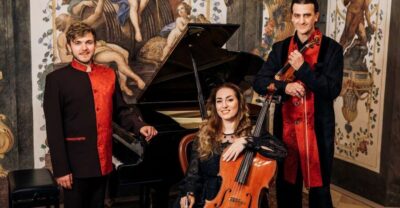
Romantic Classics Piano, Violin, and Cello Concert
Read our review →

Wine Tasting in a 600 year historical wine cellar
Read our review →Browse the lists this tour appears in